
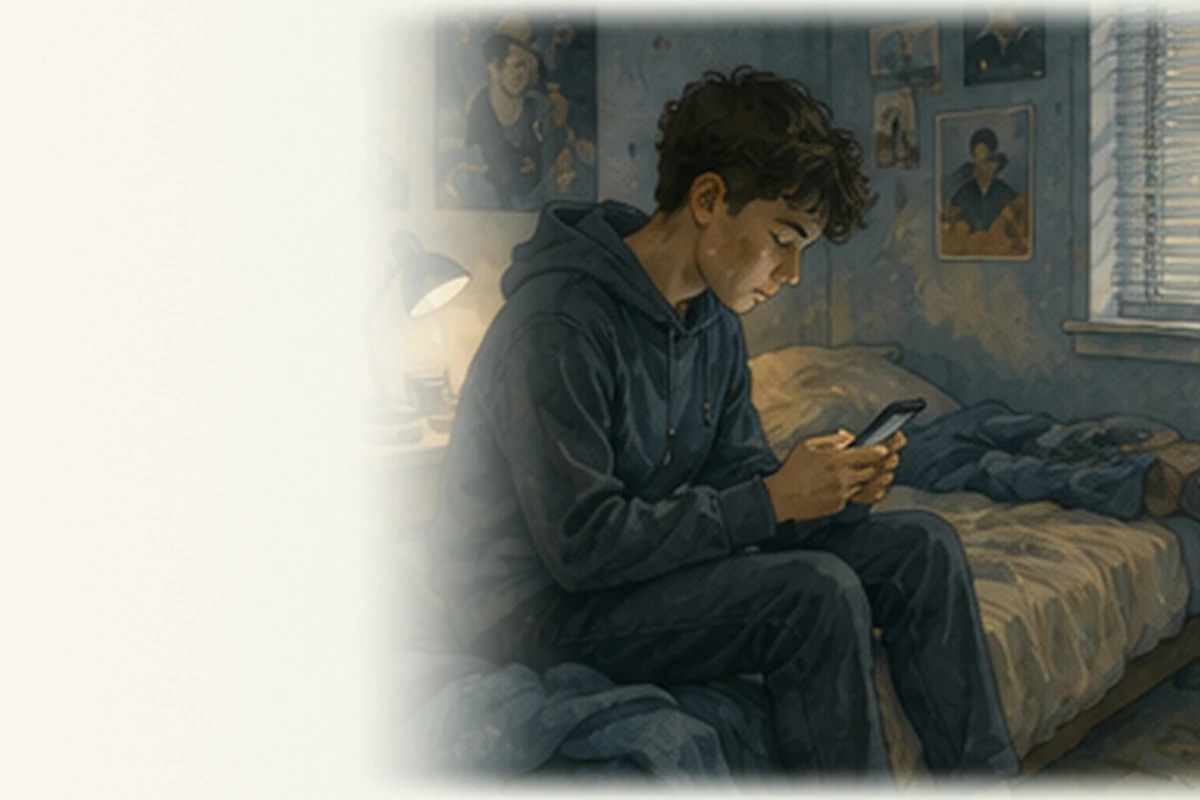
In today’s digital age, social media is a powerful force in shaping the way teenagers see themselves and the world around them. While platforms like Instagram, Snapchat, and TikTok offer opportunities for connection and creativity, they also pose significant challenges to teen self-esteem. At Haven Psychology Group, we understand the complexities of navigating social media and its effects on mental health. Let’s explore how social media impacts self-esteem and what you can do to support the teens in your life.
- How Social Media Affects Teen Self-Esteem
- Unrealistic Comparisons
Teens are constantly exposed to curated content—highlight reels of others’ lives that can create unrealistic standards of beauty, success, and happiness. These comparisons often leave them feeling inadequate or unworthy.
Validation Seeking
The pursuit of likes, comments, and followers can tie a teen’s self-worth to external validation. Low engagement on posts may lead to feelings of rejection or self-doubt.
Fear of Missing Out (FOMO)
Seeing peers enjoy events or experiences can make teens feel left out, amplifying feelings of loneliness and inadequacy.
Cyberbullying Negative comments or online harassment can severely damage a teen’s self-esteem, making them feel vulnerable and unsupported.
Distorted Body Image
Exposure to heavily edited images can lead to dissatisfaction with their own appearance and contribute to body image issues.
Signs That Social Media Is Negatively Impacting a Teen
It’s not always easy to identify when social media is harming a teen’s self-esteem, but some common signs include:
- Frequent comparisons to others online
- Avoidance of social situations or increased isolation
- Preoccupation with likes, comments, or followers
- Criticizing their appearance or abilities
- Mood swings after using social media
- Difficulty focusing on offline activities
- Ways to Help Teens Maintain Healthy Self-Esteem
- Encourage Open Conversations
Talk to teens about their social media experiences. Ask how they feel after spending time online and validate their emotions without judgment. Open communication builds trust and allows them to share their concerns.
Promote Media Literacy
Teach teens to critically evaluate the content they see online. Discuss how filters, editing, and curated posts can create unrealistic portrayals of life and appearance.
Set Healthy Boundaries
Encourage balanced social media use by setting limits on screen time. Suggest tech-free zones or times, such as during meals or before bed, to promote healthier habits.
Model Positive Behavior
Show teens how to use social media responsibly. Avoid excessive comparisons or negative self-talk in your own social media use and demonstrate the value of offline connections.
Highlight Their Strengths
Regularly remind teens of their unique qualities, talents, and achievements. Building their confidence offline can reduce their reliance on social media for validation.
Encourage Offline Activities
Help teens explore hobbies and interests that foster a sense of accomplishment and joy, such as sports, art, or volunteering. These activities can boost their self-esteem and provide a break from screens.
Foster Real-Life Connections
Encourage face-to-face interactions with friends and family to strengthen their social support network. Real-world connections are crucial for emotional well-being.
Be Supportive During Challenges
If a teen experiences cyberbullying or other negative online interactions, provide a safe space for them to express their feelings. Work with them to find solutions, such as reporting harmful content or adjusting privacy settings.
When to Seek Professional Support
If social media significantly affects a teen’s self-esteem and mental health, it may be time to seek help. Signs that professional support could be beneficial include:
- Persistent feelings of sadness, anxiety, or worthlessness
- Withdrawal from family or friends
- Drastic changes in behavior or mood
- A preoccupation with appearance or validation online
Therapists can help teens develop coping strategies, improve self-esteem, and create a healthier relationship with social media.
Empowering Teens in a Digital World
Social media isn’t inherently good or bad—it’s how we use it that matters. By teaching teens to approach social media mindfully and providing them with the tools to build confidence, we can help them navigate the digital world with resilience and self-assurance. At Haven Psychology Group, we’re here to support teens and their families in addressing the challenges of social media and fostering strong self-esteem. Contact us today to learn how we can help your teen thrive both online and offline.
Ready to Empower Your Teen?
Let’s work together to help your teen navigate social media and build confidence that lasts a lifetime.