
What this care covers
Substance use looks different depending on where someone is standing. Some people arrive certain they want to stop. Some are not sure they have a problem and want to think it through with someone who will not panic. Some have stopped before, more than once, and want to understand what keeps undoing it.
- Alcohol and drug use: at any stage, including genuine ambivalence about whether to change at all.
- Relapse: treated as information about what the substance was doing, rather than as a failure to be confessed.
- Co-occurring concerns: anxiety, depression, and trauma, which are more often underneath the use than separate from it.
- Family impact: the effect on partners, parents, and adult children, whether or not the person using is in treatment.
Substance use rarely arrives on its own
Most people who drink or use in ways that worry them are managing something else at the same time — panic that goes quiet after two drinks, a trauma history that was never treated, a depression that predates the drinking by years. Treating the use without treating what sits underneath it tends to produce a stretch of abstinence followed by a return.
Haven’s clinicians in this area work on both at once, which is why trauma and DBT training sit alongside addiction experience on their profiles.
For families
You do not have to be the person using to need somewhere to take this. Partners, parents, and adult children carry a particular kind of exhaustion — the vigilance, the calculations about what to say, the guilt about being angry. That is treatable in its own right, and it does not require the person using to be in therapy, or even to be ready.
What this is not
Haven is an outpatient practice, and this is weekly therapy. It is not detox, residential treatment, an intensive outpatient program, or medication for withdrawal or cravings — none of which Haven provides.
Those are sometimes the right first step. The consultation is a reasonable place to work out whether they are, and if a higher level of care is what is needed, the point of that call is to say so plainly rather than to book an appointment.
Who provides it
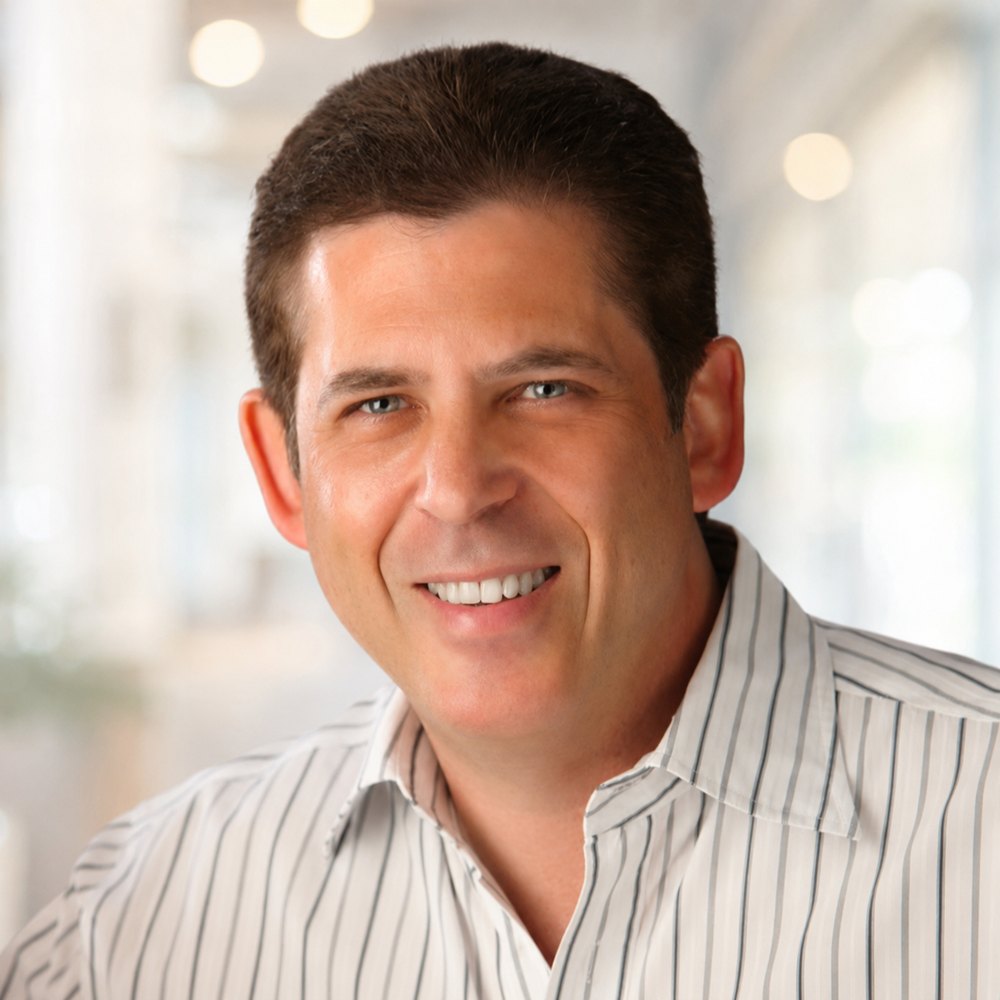
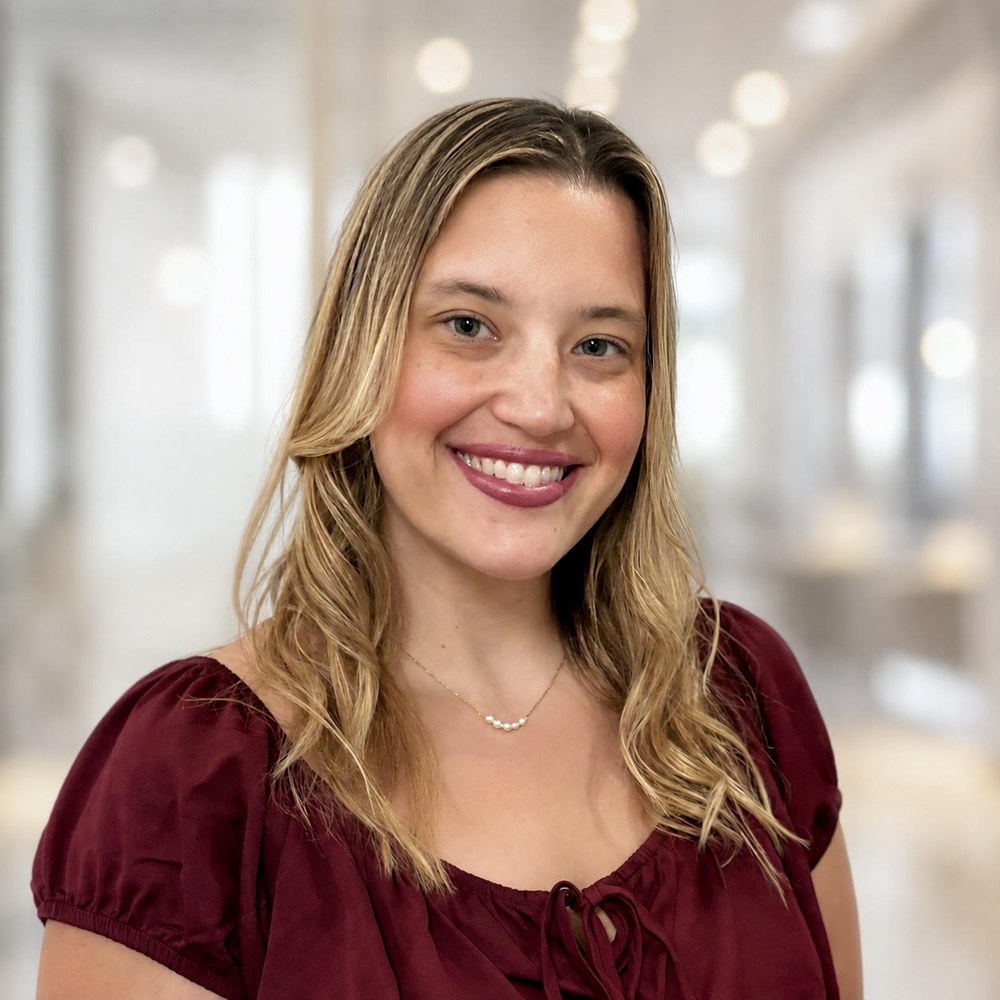
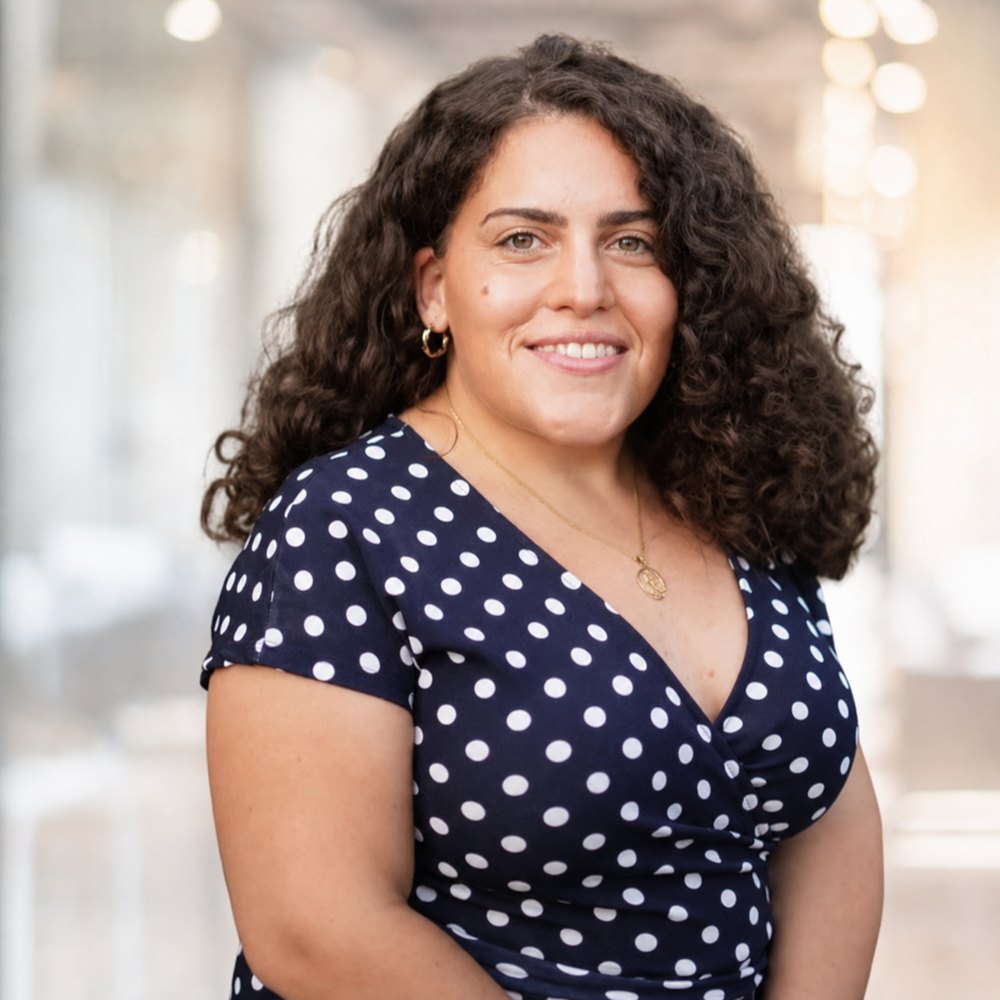
Dr. Marc Chernizer brings more than three decades of experience including addiction recovery settings, and works with alcohol and drug use, relapse, and co-occurring concerns. Dr. Sarah Boutros interned on the Integrated Substance Misuse track at the Centerstone Consortium and works with both people in recovery and the families around them. Dr. Gabriela Figueras works within Haven’s comprehensive DBT program, where substance use is one of the behaviors the treatment is built to address.