Reading and dyslexia
Concerns about word reading, decoding, reading fluency, spelling and comprehension. Where dyslexia is the question, phonological processing (how a person works with the sounds in words) is assessed where indicated.
When reading, writing or math lags behind everything else a person can do, an evaluation measures abilities and academic skills together to show why, and what would help.
The free consultation is a 15-minute video call with Dr. Bethany Harris, who coordinates care at Haven. Your evaluator is Dr. Nikel Rogers-Wood.



Is this the right evaluation?
If this sounds familiar, start with a conversation.
Reading, writing and mathematics
Concerns are sometimes grouped under one word, but each calls for its own measures.
Concerns about word reading, decoding, reading fluency, spelling and comprehension. Where dyslexia is the question, phonological processing (how a person works with the sounds in words) is assessed where indicated.
Concerns involving spelling, grammar, punctuation, and organizing ideas in writing, including difficulties sometimes described as dysgraphia. When handwriting mechanics or fine-motor coordination are primary concerns, an occupational therapy evaluation may provide additional insight.
Concerns about number sense, remembering math facts, calculation accuracy and fluency, and mathematical reasoning, including difficulties sometimes described as dyscalculia.

What you receive
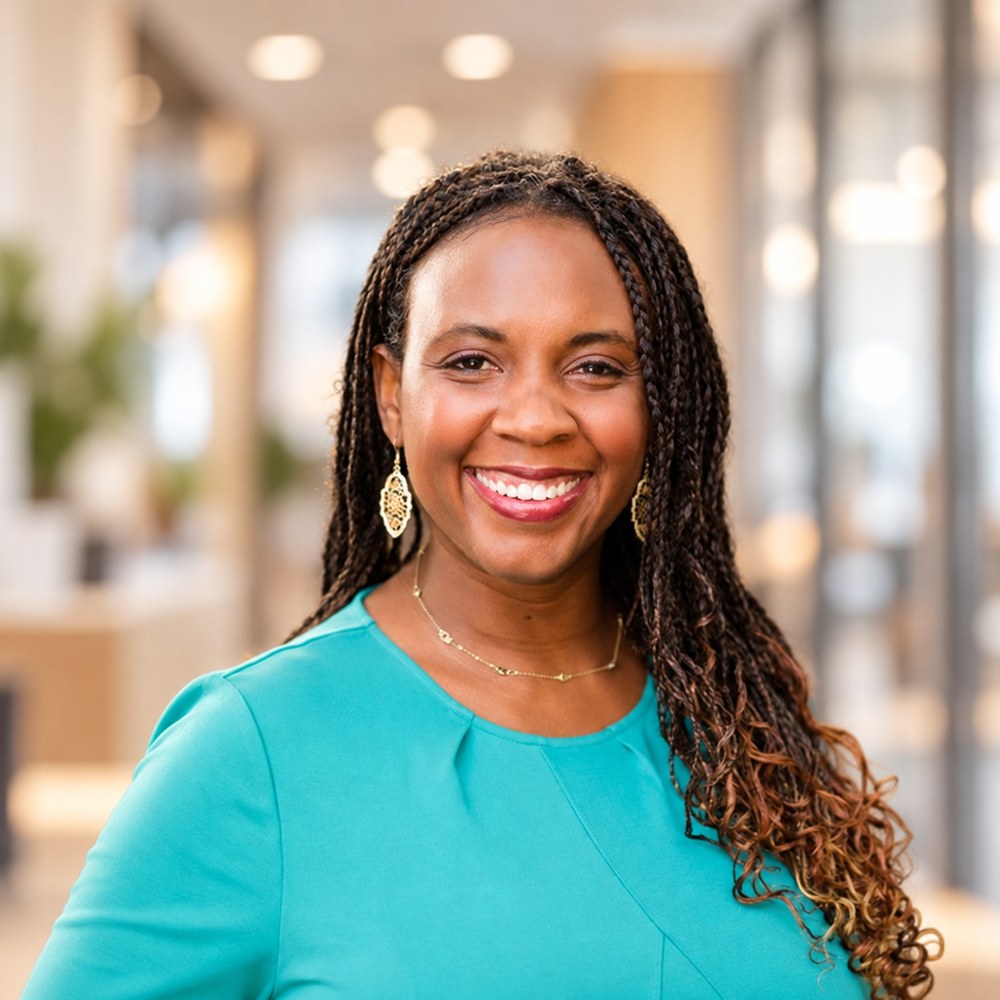
Meet your evaluator
Licensed Psychologist · Psychological Evaluator
Dr. Rogers-Wood’s work centers on psychological assessment. Her background in psychological test development, the science of how measures are built and interpreted, shapes how evaluations here are designed around your question.
How it works
A free 15-minute video call with Dr. Bethany Harris to talk through your questions and whether an evaluation fits.
Your evaluator, Dr. Nikel Rogers-Wood, learns your history and selects testing for your questions. Testing is in person in Wesley Chapel.
A written report and a feedback session explain the findings, recommendations and next steps.

Step one is a conversation, not a commitment.

Fees
Fees & Insurance QuestionsYour Right to a Good Faith Estimate

Common questions
Yes. Psychoeducational evaluation covers Specific Learning Disorder in reading, written expression and mathematics, including dyslexia and, where indicated, phonological processing. Cognitive ability and academic achievement are assessed together so that the relationship between them is visible. More on the learning disabilities and dyslexia page.
They can support a request. Haven can provide clinically appropriate documentation and recommendations for schools, college and graduate disability or accessibility offices, and professional and licensing examinations. Each institution applies its own criteria and makes its own decision, so no evaluation can guarantee that a particular accommodation will be approved.
No, and it should not. Sometimes the findings support a diagnosis clearly. Sometimes they rule one out, which is often just as useful. Sometimes the most accurate answer describes a pattern (a cognitive profile, a set of executive-functioning difficulties, an emotional factor) that does not amount to a diagnostic label but does explain what has been happening and points to what would help.
Tell us what you are hoping to understand. A free 15-minute consultation is often enough to work out whether this evaluation is the right next step, or to point you toward something that fits better.
